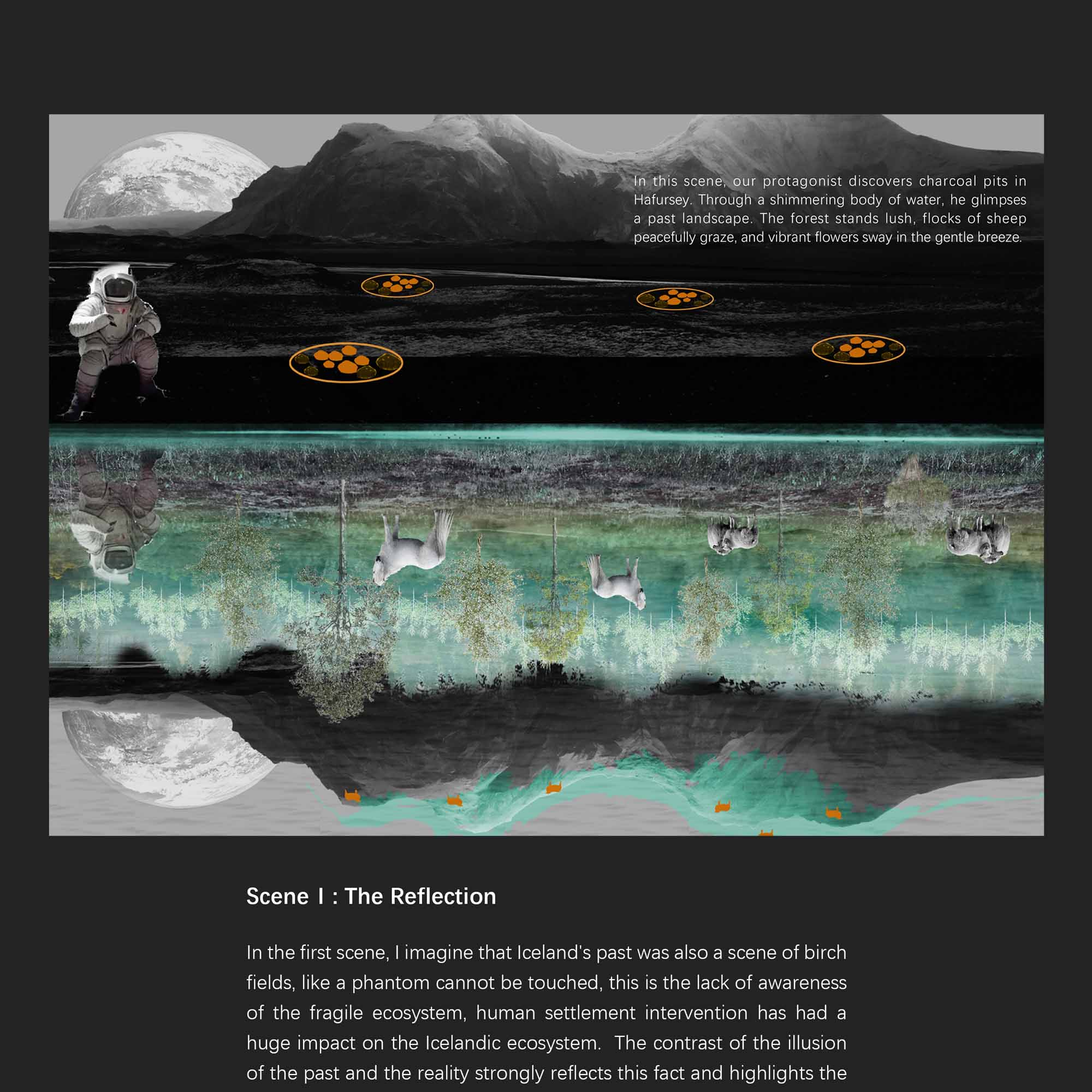
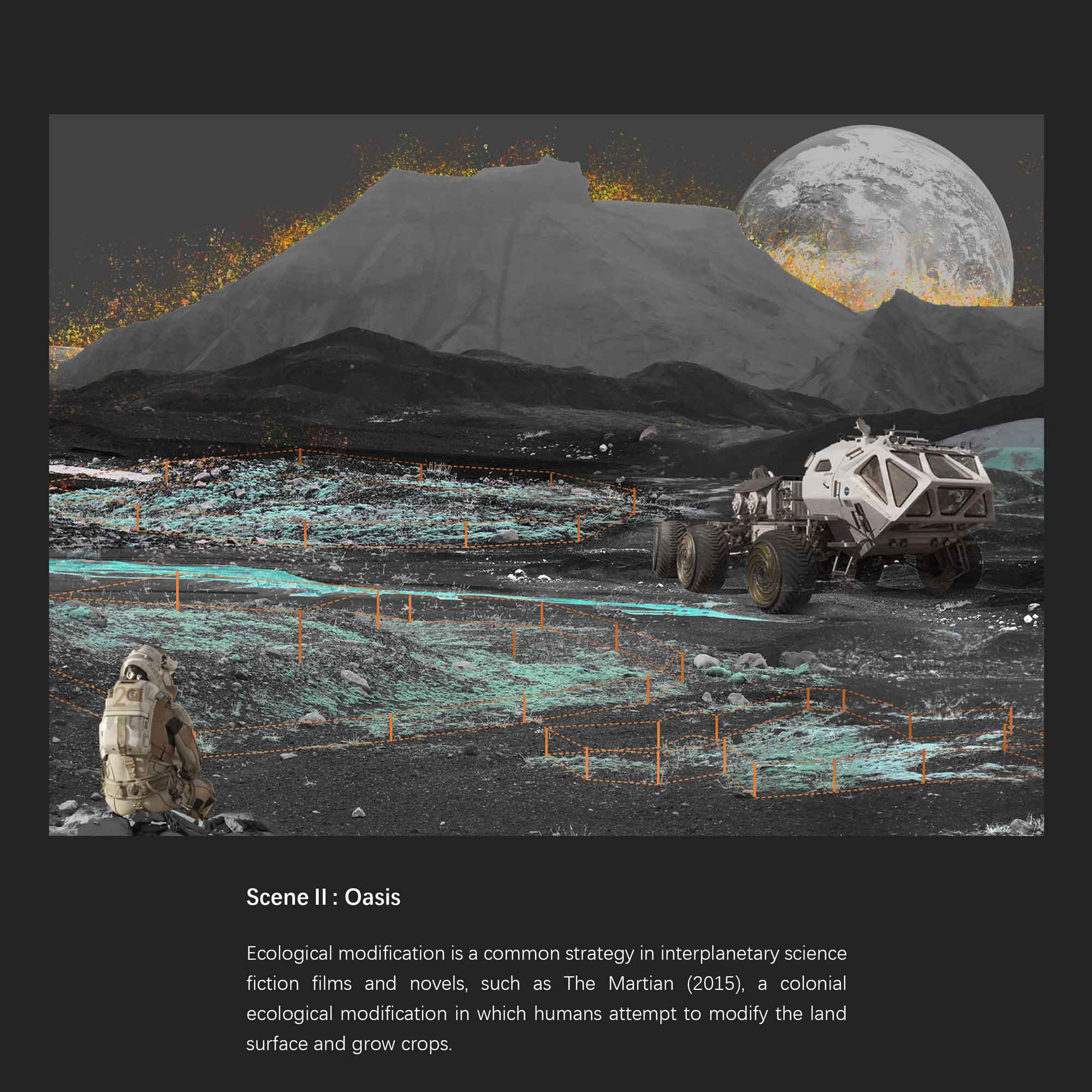
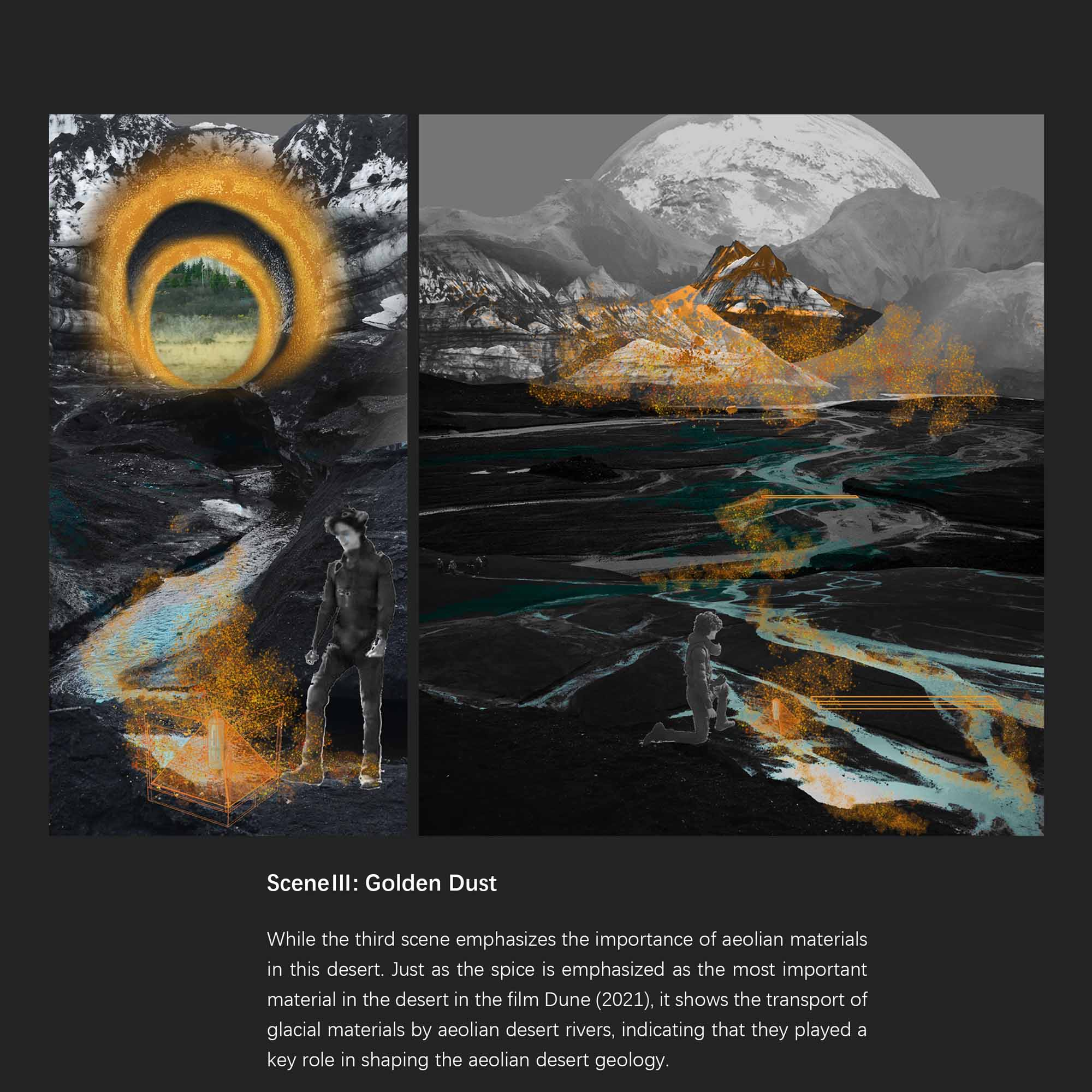
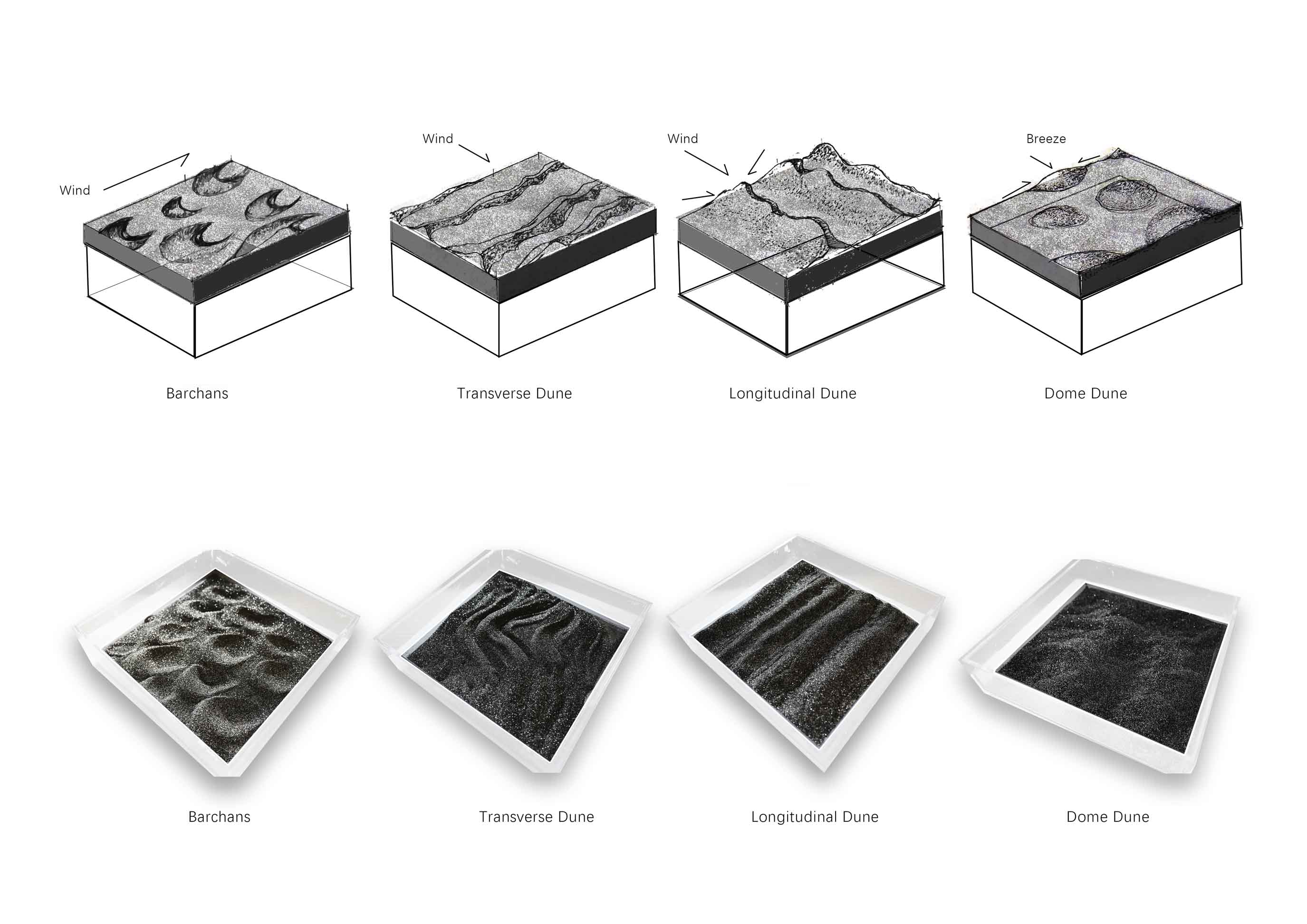
The aeolian desert in Iceland, molded by volcanoes and glaciers, features vast black expanses dotted with patches of green moss. Reminiscent of the lunar landscape, it evokes a feeling of "magnificent desolation". Since Iceland's early settlement, particularly after the Katla volcano eruption, the Mýrdalssandur Desert has been shaped by glacial floods, leading to increasing dune density and slow vegetation succession. Each dune acts as an independent ecosystem, stabilizing dust, capturing seeds, and enhancing ecosystem diversity.
Due to overgrazing, logging, and human settlement practices, Iceland's ecosystem faced severe threats, leading to rapid land degradation and the disappearance of forested areas. In response, the country introduced an alien species, the Alaskan lupine, in recent decades to aid in desert soil improvement. However, the lupine's rapid and unchecked growth in the desert environment has surpassed expectations. While it has played a significant role in enhancing soil quality, its unrestricted spread has resulted in it dominating large portions of the desert. Additionally, the effects of global warming have further fueled the lupine's rapid expansion into Iceland's inland highlands.
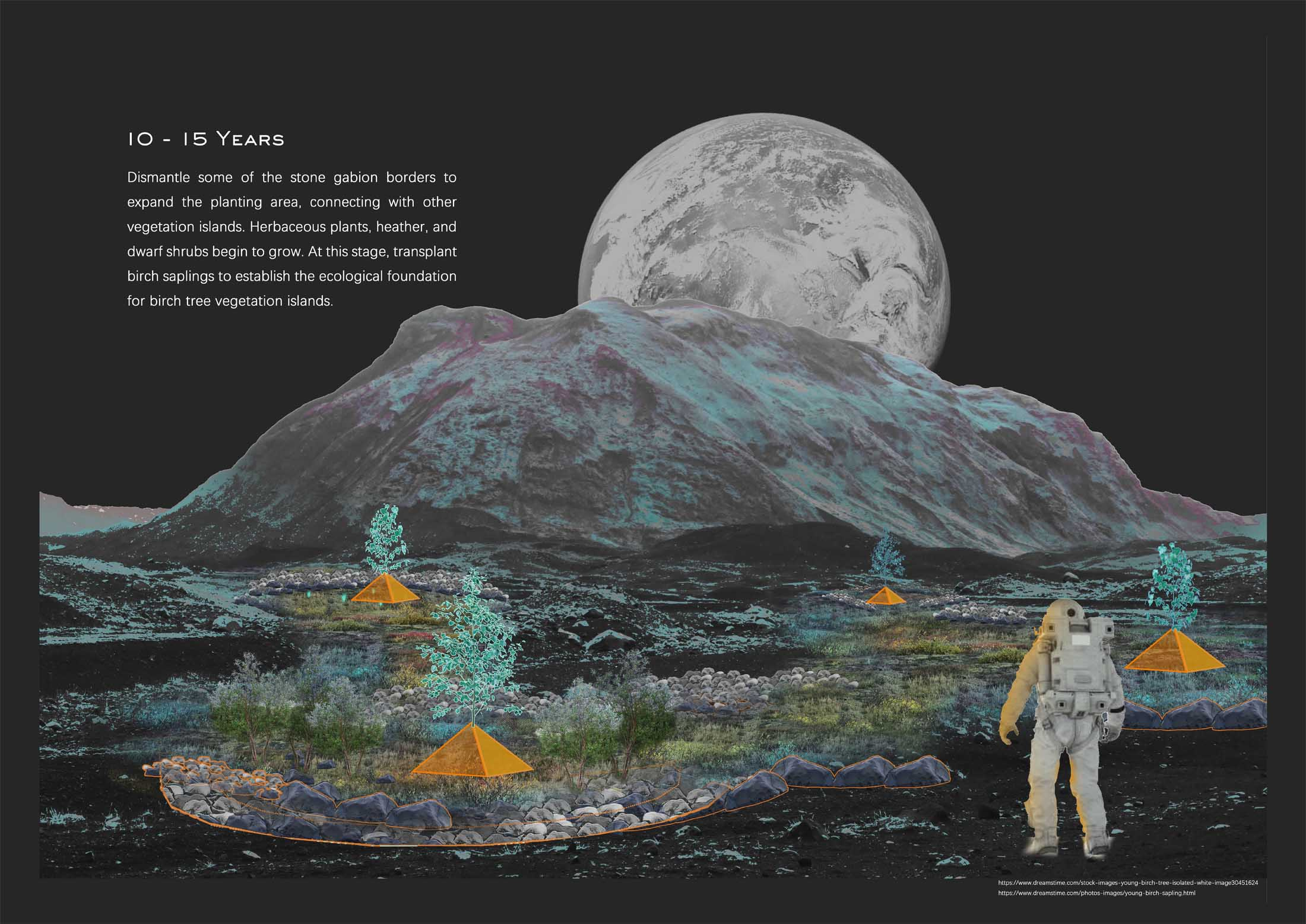
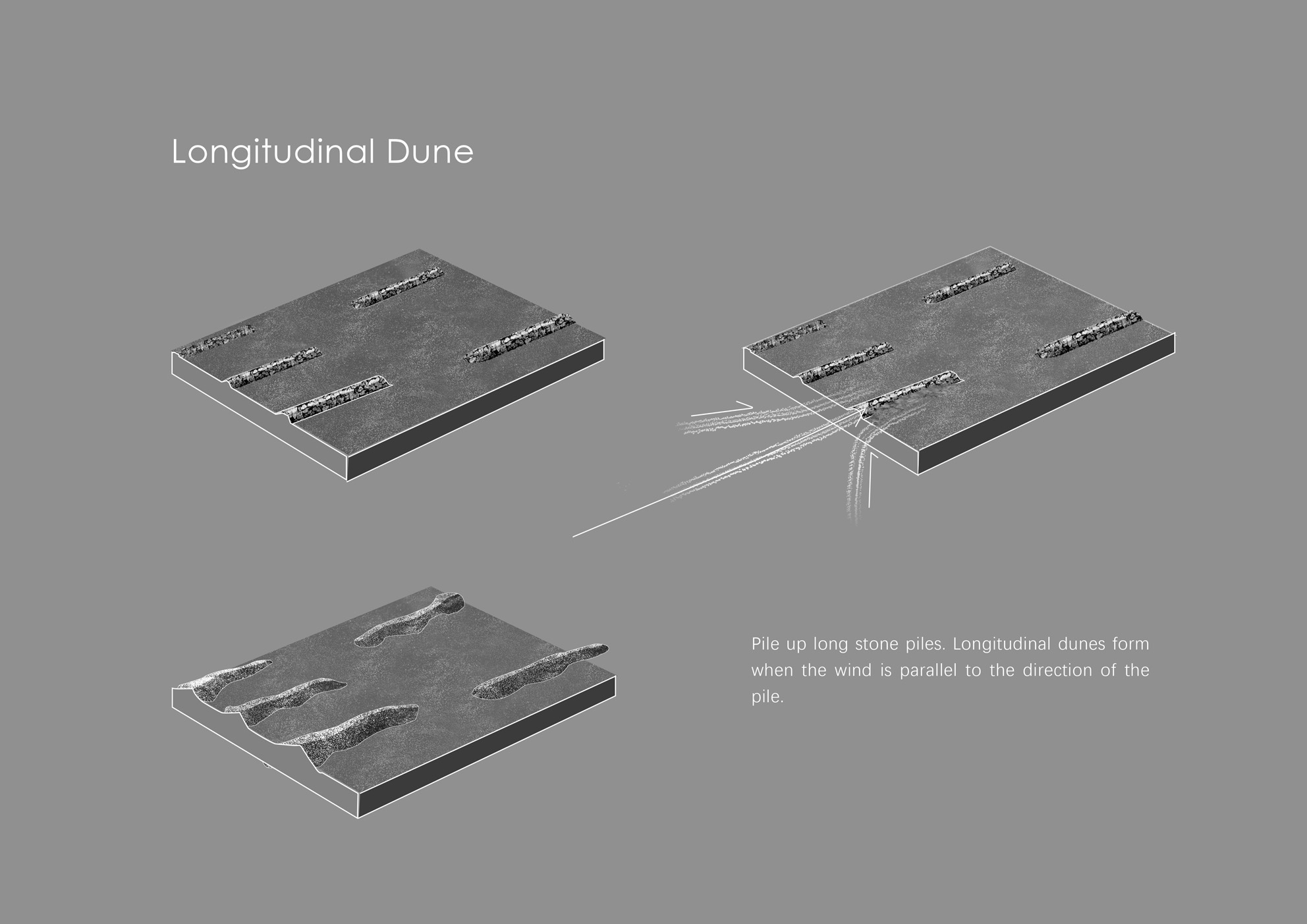
This project aims to redirect focus to the iconic black desert, a symbol of Iceland's unique landscape that has long captivated renowned filmmakers and photographers for its stunning scenery. As an outsider, the unchecked proliferation of lupines not only poses a threat to the indigenous ecosystem but also diminishes the once-endless expanse of the desert landscape. In response, the goal is to preserve the geological integrity of the desert while mitigating the dominance of lupines. Therefore, the project strategy will focus on controlling lupine growth and promoting the development of the nebkhas sand dune ecosystem, striving to achieve a harmonious balance between the two elements.